
What Should I Expect With a Pool Renovation
Your backyard swimming pool is looking tired, chipped, or it does not fit the way your family now uses the space. Before you even start removing old tiles, you should be aware of what is in store for you. Pool renovation usually involves plastering and/or tiling, new equipment, deck resurfacing, possibly installation of additional components such as a spa, and is done over a period of six to twelve weeks.
The Tree Builders Group has been helping homeowners in the San Francisco Bay Area go through that very process for the last 15+ years, providing accurate timeframes along with quality workmanship. From initial meeting to project completion, our licensed professionals take care of everything under one roof, making sure your backyard renovation experience is seamless.
What Actually Takes Place Once the Process of Renovation Commences?
After signing the contract, the first step taken by the team is draining the pool, followed by an inspection of the shell, plumbing, and equipment pad for any form of hidden damage that is not apparent from the surface. It is at this point that most people realize that there are things such as hairline cracks, rusted rebar, and an aging filter system that should be upgraded, along with what was supposed to be only a cosmetic upgrade.
From this point, construction follows the process of demolition of old finishes, repairs where required, running new plumbing or electrical systems, and finishing with plaster, pebble, or tile.
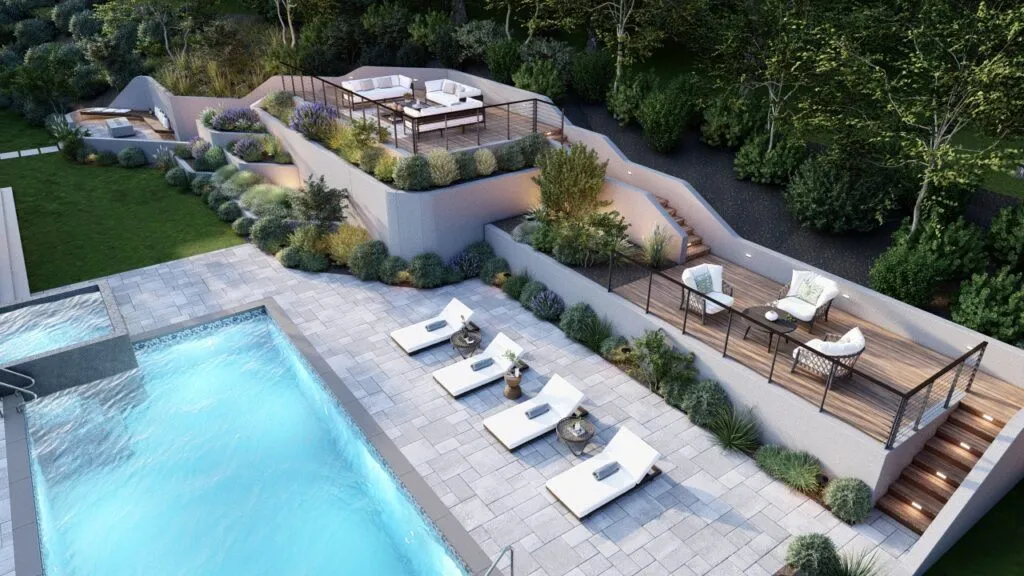
How Is Renovating an Existing Pool Different From Building New?
Since there is an existing structure already installed underground, every move will be constrained by the limitations imposed by this existing shell. Contractors need to work within an existing plumbing system, existing steel, and drainage system, which were never intended for modern equipment and finishes, which is why an experienced eye matters as much in a remodel as it does in fresh swimming pool construction.
In spite of this, a remodeling project allows fixing existing problems without demolishing the entire structure. In this case, shallow stairs can be made bigger, old equipment replaced with new energy-saving equipment, and lighting or automation systems added, without changing the dimensions of the existing pool.
What Expenses Are You Likely to Encounter?
The costs involved in a renovation project are different depending on what is involved, but they all follow a pattern in the Bay Area:
- Resurfacing: resurfacing of the swimming pool itself, which could be done through plaster, pebbles, or tiles.
- Equipment upgrades: replacing existing pumps, filters, and heating elements, and adding automation systems.
- Rebuilding: repair of cracks, rebars, or plumbing work.
- Decking & Coping: construction of the deck using concrete, pavers, or natural stone materials around the pool perimeter.
- Features: adding a spa or other water or lighting features.
Only a thorough proposal prepared after a site visit can help you know where you’ll stand.
Will There Be Any Spa or Water Feature Related Components to Your Project?
Homeowners usually consider a renovation project as the time to make up for missed opportunities. For instance, installing a spillover spa, constructing a rock waterfall, and installing color-changing LED lighting are some of the additions that turn your backyard from being merely a place into a true oasis. It’s more likely that you will spend less by combining this work with your existing renovations instead of conducting it separately later on.
It is useful for those homeowners who incorporate a spa as part of their renovation project to know that this work requires almost the same effort as building an ordinary pool or spa. This way, since there is a need to consider plumbing, heating, and connection elements at once, you can safely say that larger works, such as infinity edge or swim-up bars, belong to luxury pool construction.
Which Permits Are Needed for Your Backyard Project in the Bay Area?
Permitting is one of those steps that is very often overlooked but can become the weak link in the planning process, which does not allow realistic time frames to be met. Any structural work, equipment pad installation, electrical systems, and spas require permits from the city or county and inspection at different stages of construction.
This is especially important when constructing spas, as it requires Title 24 energy compliance and more safety standards compared to a regular surface refurbishing project. Hiring a professional swimming pool contractor in the Bay Area will mean that all these approvals will be obtained in-house, rather than requiring you to find the inspectors yourself.
How Should You Plan Before the Project Begins?
Successful projects begin long before demolition. The state of your property, the type of soil, the existing layout of plumbing, and even the HOA bylaws will all determine what is possible in your backyard, which is why the proper evaluation needs to take place before a single contract is signed, not after.
Effective construction project planning includes setting realistic schedules that consider permitting issues, materials delivery times, and even the weather. Those homeowners who begin their project with expectations of a very strict schedule without any padding are the ones who find themselves disappointed with the reality of the process.
Is It Time to Upgrade Your Backyard with Pool Renovations?
Renovating your backyard, especially if done the proper way, is perhaps one of the most satisfying ways to do a luxury home renovation, transforming an old pool into the focal point of your backyard. With the proper renovations, your pool will not only be functional and safe but may also include some additional elements that will be appreciated for many years to come.
With Tree Builders Group, you can have the design, planning, and construction expertise that it takes to achieve all this hassle-free. If you are ready to discuss the possibilities for your backyard, contact us for a free consultation to see how your pool renovation might look.
Contact Tree Builders Group for a free backyard consultation today.
FAQs
How do I tell whether my pool requires a complete renovation or simply resurfacing?
Problems such as a discolored or worn plaster surface might require only resurfacing. Still, if there are cracks or constant mechanical failures or water leaks, then the situation likely calls for a more comprehensive renovation.
How long does plaster and equipment last until my pool requires renovation?
Standard plaster has an average lifespan of 10-15 years; pebble or quartz has a lifespan of 15-20 years, depending on the conditions of maintenance. Equipment and pumps have an average lifespan of 8-12 years in case of replacement/renovation.
Is it possible to maintain the shape of the pool during its renovation, or will there be a necessity to create a new shape for my pool?
It is much cheaper to keep the same shape and the same surface area and concentrate on the renovation of the surfaces, equipment, and other elements of the pool, rather than changing its shell.
How is the process of renovating an existing spa different from installing a new spa in the project?
Renovation of the existing spa includes resurfacing, jet replacement, and heating or automation part replacement. New spa installation requires new plumbing, structure connection to the pool shell, and permits, which increase both cost and time.
What questions should be asked of a contractor prior to signing the renovation contract?
Asking for a scope of work in writing, for a reasonable timeline of permitting, and clarifying responsibilities for inspections and city permits can save a lot of trouble. It is also a good idea to find out how change orders will be charged, as it is the biggest area for surprises in terms of cost.